


Anxiety is a normal human response to stress. It becomes difficult when it feels constant, overwhelming, or out of proportion to the situation.
Many people search for natural remedies for anxiety because they want support that feels gentle, accessible, and sustainable.
Natural remedies focus on working with the body rather than against it.
They aim to regulate the nervous system, lower stress hormones, reduce inflammation, and support healthy brain function.
These approaches may include lifestyle changes, nutritional support, breathing techniques, and certain herbs with scientific backing.
It’s important to understand that natural remedies are not a replacement for professional treatment when anxiety is severe.
Instead, they can serve as supportive tools that strengthen resilience and improve overall emotional balance over time.

 Can Natural Remedies Really Help?
Research suggests that natural remedies for anxiety can be effective, especially for mild to moderate symptoms.
Many of these approaches work by calming the body’s stress response system – particularly the sympathetic nervous system, which drives the fight-or-flight reaction.
When anxiety becomes chronic, this system can remain overactive.
Lifestyle changes, nutritional strategies, and relaxation techniques help shift the body into a parasympathetic state, often called “rest and digest.”
This state promotes slower breathing, a steadier heart rate, and reduced muscle tension.
Scientific studies have shown improvements in anxiety scores from interventions like exercise, mindfulness, and certain supplements.
While results vary from person to person, consistent practice tends to produce the most meaningful and lasting benefits.
Exercise and Physical Movement
 Exercise and Physical Movement
Exercise is one of the most researched natural remedies for anxiety.
Regular movement helps regulate cortisol, the primary stress hormone, while boosting endorphins and neurotransmitters like serotonin and dopamine.
These chemicals play a key role in mood stability and emotional resilience.
You don’t need intense workouts to see benefits.
Studies show that moderate activities such as brisk walking, cycling, swimming, or strength training can significantly reduce anxiety symptoms.
Even short daily sessions can improve sleep quality and nervous system regulation.
The key is consistency rather than intensity.
Moving your body regularly trains it to recover from stress more efficiently, making anxiety episodes less frequent and less intense over time.
 Brain Regulation
 Nervous System Balance
 Reduced Rumination
 Long-Term Resilience
Meditation and Deep Breathing
Meditation and controlled breathing directly calm the nervous system.
Research shows mindfulness practice reduces overactivity in the amygdala, the brain’s fear center, helping decrease baseline anxiety levels.
Meanwhile, slow breathing techniques stimulate the vagus nerve, shifting the body from fight-or-flight into a calmer state.
Simple methods like box breathing or focusing on the breath for five to ten minutes daily can make a measurable difference.
These practices reduce rumination and steady heart rate and improve stress regulation.
With repetition, meditation strengthens emotional resilience the same way exercise strengthens muscles – gradually, consistently, and sustainably.
Improving Sleep to Reduce Anxiety
 Improving Sleep to Reduce Anxiety
Sleep and anxiety are deeply connected. Poor sleep increases stress sensitivity, impairs emotional regulation, and elevates cortisol levels.
When rest improves, the brain becomes less reactive and better equipped to manage daily stressors.
Practical steps like maintaining a consistent sleep schedule, limiting late-night screen exposure, and creating a calm evening routine can support circadian rhythm balance.
Morning sunlight exposure also helps stabilize the body’s internal clock.
Even modest improvements in sleep quality can lead to noticeable reductions in daytime anxiety, making rest one of the most powerful – yet often overlooked – natural remedies.
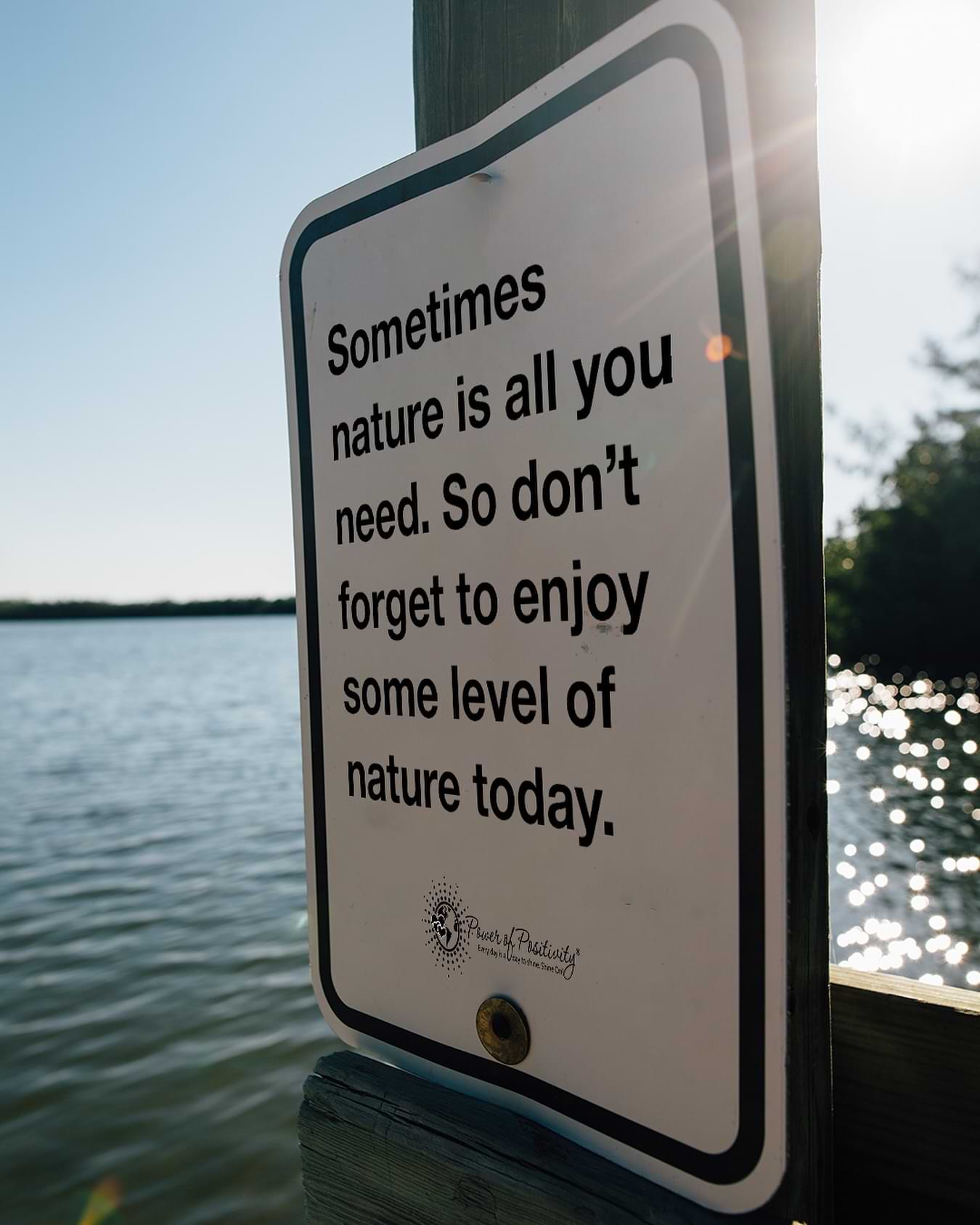
Spending Time in Nature (Ecotherapy)
 Spending Time in Nature (Ecotherapy)
Exposure to natural environments has been shown to lower cortisol, reduce heart rate, and decrease mental fatigue.
Even short walks in green spaces can improve mood and calm overstimulated nervous systems. Nature gently engages the senses without overwhelming them.
Sunlight supports circadian rhythm health, fresh air improves oxygen flow, and natural sounds reduce stress-driven attention patterns.
Regular time outdoors can interrupt cycles of rumination and restore clarity.
You do not need wilderness retreats – consistent contact with parks, trees, or water can meaningfully support long-term emotional regulation.
Herbal Remedies With Research Support
 Herbal Remedies With Research Support
Certain herbs show scientific promise for mild anxiety relief.
Chamomile has demonstrated benefits in clinical studies, particularly for generalized anxiety symptoms.
Ashwagandha may help reduce cortisol and support stress resilience, while lemon balm has been linked to calming effects and improved sleep quality.
However, evidence strength varies, and supplement quality matters. Herbs can interact with medications and may not be suitable for everyone.
Consulting a healthcare professional ensures appropriate use and dosing.
When used carefully and consistently, certain herbal options may complement broader lifestyle strategies for anxiety management.
Key Nutrients That Support Calm
 Key Nutrients That Support Calm
Magnesium and omega-3 fatty acids play important roles in nervous system regulation.
Magnesium supports GABA activity, a calming neurotransmitter, and low levels may increase stress sensitivity.
Omega-3s help reduce inflammation and support healthy brain cell function.
Research suggests that deficiencies in these nutrients may contribute to mood instability.
Including magnesium-rich foods like leafy greens and nuts, along with omega-3 sources such as fatty fish or flaxseeds, may help stabilize emotional responses.
Supplementation can be beneficial in some cases, though professional guidance is recommended for proper dosing and safety.
Reducing Caffeine and Alcohol
 Reducing Caffeine and Alcohol
Caffeine stimulates the stress response system, increasing heart rate and promoting jitteriness.
For individuals prone to anxiety, even moderate intake can intensify symptoms and disrupt sleep.
Alcohol, while temporarily calming, often produces rebound anxiety once its effects wear off.
Gradually reducing caffeine and limiting alcohol consumption can significantly decrease unnecessary nervous system activation.
Stabilizing these daily inputs helps the body regulate more consistently.
Many people notice improvements in baseline anxiety simply by adjusting stimulant intake and protecting sleep quality.
Structured Relaxation Techniques
 Structured Relaxation Techniques
Progressive muscle relaxation and guided imagery are evidence-based techniques that reduce physical tension and calm stress responses.
Progressive muscle relaxation involves systematically tensing and releasing muscle groups, teaching awareness of tension patterns.
Guided imagery encourages visualization of calming scenes, activating sensory networks associated with safety and relaxation.
These practices can reduce heart rate and lower perceived stress levels. With regular use, structured relaxation methods retrain the body to recover from anxious spikes more effectively.
Journaling and Cognitive Reframing
 Journaling and Cognitive Reframing
Journaling helps externalize anxious thoughts, making them easier to evaluate logically rather than emotionally.
Expressive writing has been shown to reduce stress markers and improve emotional processing over time.
Cognitive reframing complements this process by identifying distorted thought patterns and replacing them with balanced alternatives.
Shifting from catastrophic thinking to evidence-based reasoning reduces anxiety intensity.
Consistent practice builds mental flexibility, helping break repetitive negative thought cycles and strengthen overall resilience.
FAQs
There is no single remedy that works for everyone.
Research consistently shows that exercise, mindfulness practices, and improved sleep have some of the strongest evidence.
The most effective approach often combines several strategies and applies them consistently rather than relying on one solution alone.
Some techniques, like deep breathing, can reduce anxiety within minutes.
Others – such as exercise, meditation, or nutritional support – may require several weeks of consistent practice before noticeable improvement.
Progress is typically gradual and cumulative.
Some supplements like magnesium, omega-3s, or certain herbs may support anxiety relief, but safety depends on dosage, quality, and individual health conditions.
Always consult a healthcare professional before starting new supplements, especially if taking medication.
Natural remedies can support mild to moderate anxiety, but they are not a substitute for professional care when symptoms are severe, persistent, or disabling.
Many people benefit from combining natural approaches with therapy or medication under medical supervision.
Final Thoughts on Natural Remedies for Anxiety
 Final Thoughts on Natural Remedies for Anxiety
Natural remedies for anxiety offer practical, science-informed ways to support emotional balance.
While no single strategy works for everyone, small, consistent changes can make a meaningful difference over time.
Movement, quality sleep, mindful breathing, nutritional support, and cognitive tools work best when combined rather than used in isolation.
Anxiety often reflects an overstimulated nervous system.
The goal of natural approaches is not to eliminate all stress but to help the body respond more steadily and recover more efficiently.
Progress may feel gradual, but it builds resilience beneath the surface.
If symptoms feel overwhelming or persistent, seeking professional guidance is a strong and responsible step.
With the right combination of tools and support, lasting improvement is possible.
The post 9 Natural Remedies for Anxiety That Are Backed by Science appeared first on Power of Positivity: Positive Thinking & Attitude.