


I don’t remember when it happened exactly. There was never a single moment or dramatic crisis of belief. I just noticed one day, somewhere in my late thirties, that faith had gotten quieter. The question of why faith feels harder in adulthood became personal for me. The once effortless act of faith now required effort. And nobody had warned me that was coming.
If you’ve felt the same, I want you to know: quiet doesn’t mean your faith is failing. It probably means it’s finally growing up.
 Faith Used to Be Simple (And That Was the Point)
 Faith Used to Be Simple (And That Was the Point)
When you’re a child, faith is effortless because life is simple. You haven’t lost anyone yet. You haven’t watched a good person experience a negative outcome. You haven’t prayed hard for something that didn’t come.
Childhood faith was built for childhood. It was supposed to be uncomplicated. The problem is nobody tells you it must evolve; the faith that works at eight cannot carry you through forty.
Outgrowing the simple version isn’t losing faith. It’s the beginning of something sturdier, even if it doesn’t feel that way at first.
Adult Life Is Just Heavier

There’s a reason faith felt effortless when we were young. We weren’t carrying much yet.
Adult life presents a different challenge. At some point, the weight shows up and doesn’t leave. It looks different for everyone, but most of us know some version of this:
- A prayer that went unanswered, or at least not answered the way you needed it to
- Watching someone good go through something they didn’t deserve
- Carrying financial pressure that doesn’t let up
- Losing a parent, a marriage, a version of the future you’d planned on
- Running on empty for so long that even hope starts to feel like an expense you can’t afford
Faith doesn’t disappear under that weight. But it has to compete with exhaustion now, in a way it never did before. That changes things.
Disappointment Quietly Turns Into Cynicism
 Disappointment Quietly Turns Into Cynicism
Here’s what nobody talks about enough. It’s rarely one big moment that dims your faith. It’s the accumulation.
Every disappointment, big or small, makes belief feel a little riskier. So without even realizing it, you start protecting yourself. You expect somewhat less. You hope somewhat more quietly. You cease to present yourself in the same manner as before. It feels like wisdom. It’s mostly armor.
That’s cynicism, and it’s sneaky because it disguises itself as maturity. The person who’s been hurt enough times to stop hoping isn’t being realistic. They’re being defended.
Childlike faith
Open, trusting, willing to be disappointed
Disappointment accumulates
Each letdown makes belief feel riskier
Cynicism moves in
Armor that feels like wisdom but quietly closes you off
What No One Warned You About
Here’s the thing I wish someone had told me earlier: faith in adulthood is not a feeling you wait to receive. It’s a decision you make, repeatedly, often without any emotional confirmation that it’s working.
The childhood version was feeling-driven. You felt it in a song, shortly, in the uncomplicated certainty of not yet knowing how challenging life could become. That version was real. But it was also fragile, because feelings are fleeting.
What replaces it is quieter. Less electric. It doesn’t announce itself the way it used to. However, it is also more honest, as it is aware of everything that could cause you to stop believing and continues regardless.
That shift from feeling faith to choosing faith is the thing that nobody warns you about. It feels like loss at first. That’s really the main point.
How to Rebuild Faith as an Adult
Rebuilding faith as an adult doesn’t look like going back. It looks like building something new on ground you actually know. Here’s what that looks like in practice.
Stop chasing the feeling you had at ten.
The electric, effortless faith of childhood isn’t coming back, and chasing it will exhaust you. Adult faith feels different. Steadier, quieter, less dependent on emotion. That’s not a downgrade. That’s what durable looks like.
Let your faith hold the questions.
A faith that can’t survive doubt was never going to survive adulthood anyway. You don’t have to resolve every question before you’re allowed to believe. The questions and faith can coexist. In fact, they have to.
Make it a practice, not a mood.
Don’t wait until you want to. You probably won’t. Small repeated actions, prayer, reflection, and showing up build a foundation that feelings alone never could. Consistency matters more than intensity.
Name your disappointments instead of swallowing them.
The ones that harden into cynicism are usually the ones we never said aloud. Name what let you down. Grieve it properly. A disappointment you’ve faced honestly has a lot less power to quietly close you off than one you’ve been carrying alone.
Find your people.
Faith erodes fastest in isolation. You don’t need a congregation if that’s not your thing, but you need someone who takes the bigger questions seriously. Even one person.
Lower the bar for “enough.”
Some days, simply showing up is a significant achievement. Sitting with the question, taking the next small step, and not giving up entirely, that counts. It has always counted.
What Faith Looks Like When You’re Still Working on It
 What Faith Looks Like When You’re Still Working on It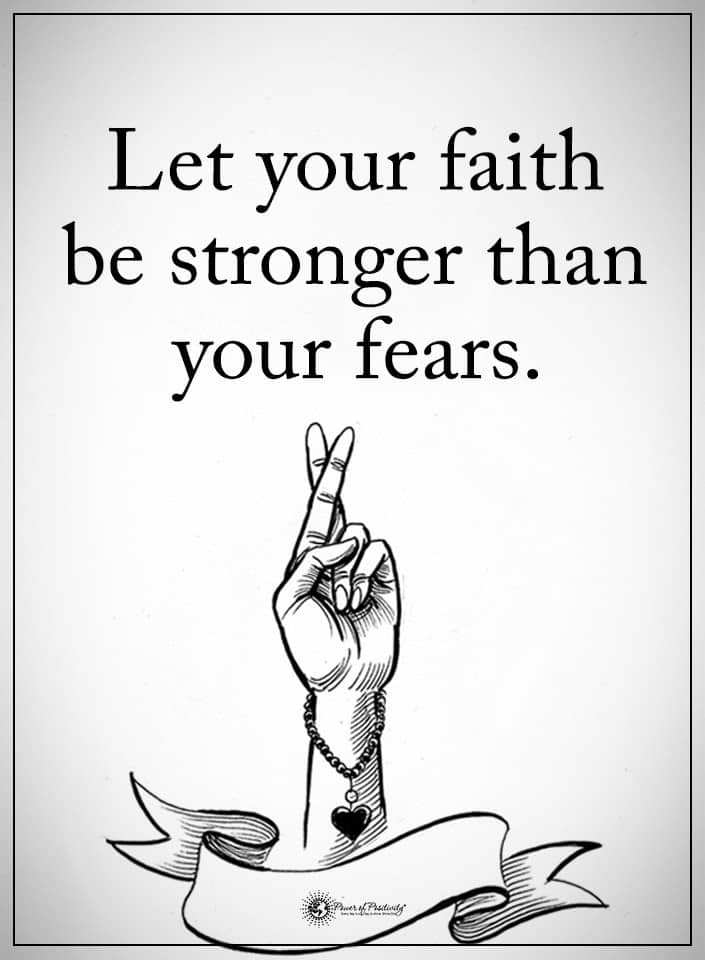
I’ll be honest. Most days my faith doesn’t look like anything remarkable. It doesn’t look like certainty or peace or the kind of quiet confidence you read about. It looks a lot more like this:
- The man who hasn’t been to church in three years but still finds himself talking to God on his morning drive
- The guy who doesn’t have the answers anymore but hasn’t stopped asking the questions
- The father who doubts more than he believes some weeks and shows up anyway for his kids, his marriage, and his life
- The person who was let down badly, by people, by circumstances, maybe by God, and is still, slowly, finding his way back to something he can stand on
- The man who can’t explain his faith to anyone else but knows what it feels like when it’s missing
None of that looks like the faith we grew up thinking we were supposed to have. All of it is real.
You don’t have to have it figured out to still be in it. Staying in the question, even when it’s uncomfortable, is its own kind of faithfulness.
Frequently Asked Questions
Why does faith feel harder as you get older?
Because adult life is heavier. The uncomplicated faith of childhood was never built to carry loss, unanswered prayers, and accumulated disappointment. When those things show up, faith has to evolve or it struggles. That’s not failure. It’s a natural part of spiritual maturity.
Is it normal to doubt your faith as an adult?
Completely normal. Doubt is not the opposite of faith. It’s evidence that you’re taking the question seriously. Most people who have a deep, lasting faith went through significant periods of doubt to get there.
How is adult faith different from childhood faith?
Childhood faith is feeling-driven and uncomplicated, which is exactly right for that season. Adult faith is decision-driven. It’s quieter, harder-won, and built on choice rather than feeling. It carries more because it has to.
Can you get your faith back once it feels gone?
Yes, though it won’t look the same as before. What comes back is usually sturdier. The path back runs through honesty, not performance. Name what broke down, stop pretending it didn’t, and start with the smallest possible next step.
What’s the difference between losing faith and faith evolving?
Losing faith usually involves walking away entirely. Faith evolving is when the simple version stops working and you have to build something more honest in its place. Most people who think they’ve lost their faith are actually in the middle of that second thing.
The Faith You Build Is More Yours
 The Faith You Build Is More Yours
The easy version is gone. I’m not going to tell you it isn’t, because you already know that, and being told otherwise makes the journey harder.
But here’s what I’ve come to believe: the faith you build in adulthood, the kind you choose on the days you don’t feel it, the kind that survives disappointment and doubt and the slow weight of real life, is more yours than the simple version ever was. It wasn’t tested. This one is.
You didn’t lose your faith. You outgrew the first version of it. And this is just the beginning of the story. It’s the most significant aspect of it.
The post Why Faith Feels Harder in Adulthood (And What No One Warned You About) appeared first on Power of Positivity: Positive Thinking & Attitude.