






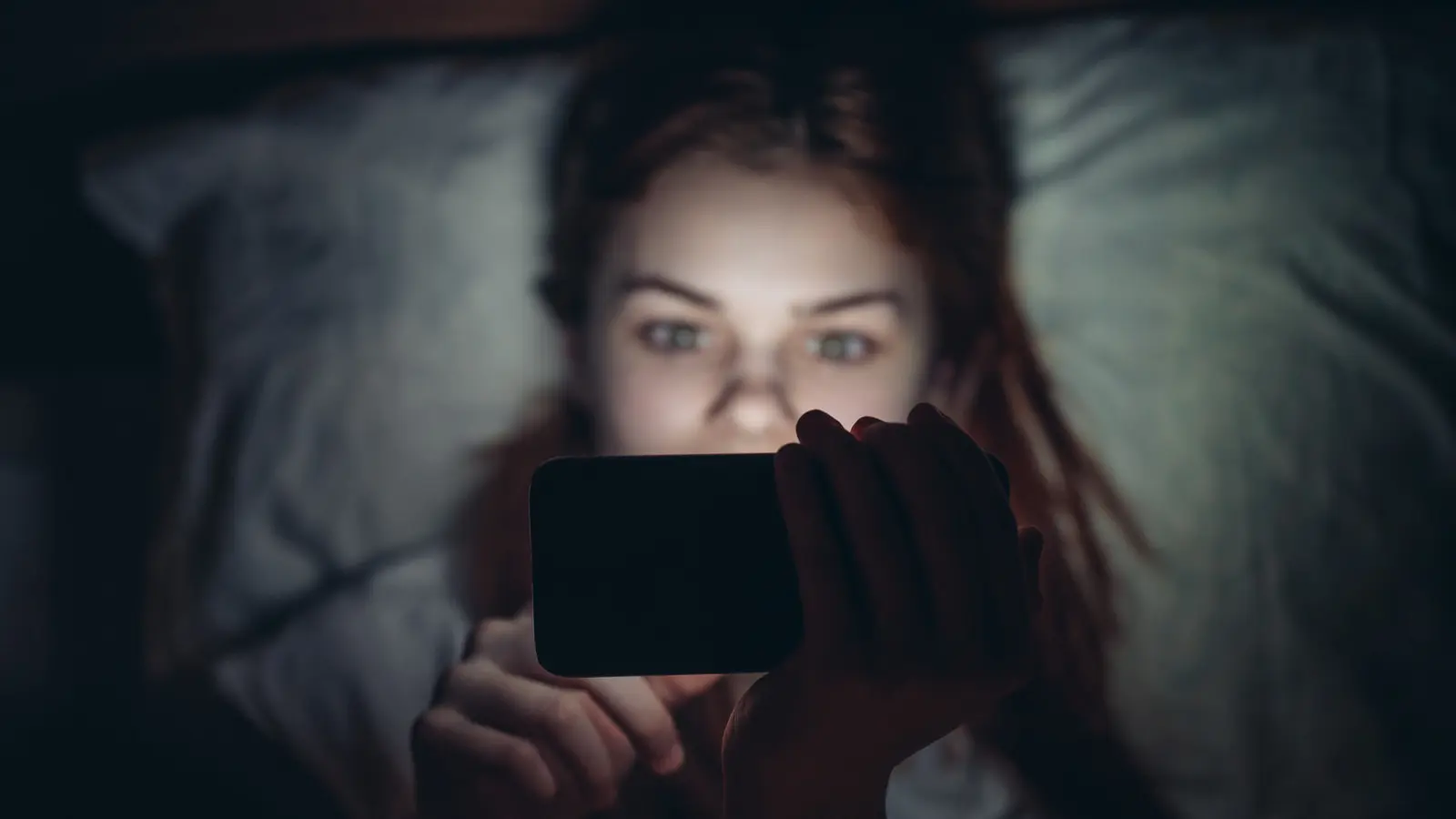
It is 11 p.m. You chewed a melatonin gummy twenty minutes ago, and you are still lying in the dark, wide awake, staring at the ceiling and wondering how long does it take for melatonin to kick in and when it is supposed to start working.
Here is what most bottle labels never explain: melatonin does not work like a sleeping pill. So how long does melatonin take to kick in, and why does it disappoint so many people?
Below, we will look at the best time to take it, why smaller doses often work better, and the side effects nobody warns you about.
Where Does Melatonin Come From?

Melatonin is actually a hormone your body produces. A tiny gland tucked deep inside your brain, called the pineal gland, starts releasing it as daylight fades.
Darkness flips the switch on, while bright light, including the blue glow from your phone or television, can hold it back.
Your body’s evening clock
How natural melatonin rises and falls through the night
Evening
Melatonin starts rising, about 1 to 2 hours before bed.
Night
Levels peak while you sleep in the dark.
Morning
Daylight switches it off so you can wake up.
What matters most is understanding what melatonin actually does. It does not knock you out like a heavy sed6+ative. Instead, it gently signals to your body that night has arrived, nudging your core temperature down a touch so you feel calmer and sleep becomes easier to drift into.
That is why a supplement works best as a gentle timing cue rather than a knockout pill. It also explains why so many women start reaching for it in midlife.
Natural melatonin levels tend to dip as we get older, meaning that quiet “time for bed” message can grow fainter just when sleep starts becoming harder to hold on to.
How Long Does It Take for Melatonin to Kick In?
For most people, standard melatonin starts to take effect within about 30 minutes to 2 hours. Regular fast-release tablets are absorbed fairly quickly and often begin working in under an hour.
Beyond that, the exact timeline depends on the form sitting in your medicine cabinet:
Timing matters just as much as how fast the supplement dissolves. Your brain naturally begins ramping up its melatonin production about one to two hours before bedtime.
For that reason, many sleep specialists suggest taking a supplement roughly one to two hours before you want to be asleep, rather than right as your head hits the pillow.
If you take it right before bed, you might not start feeling drowsy until after you have already given up, tossed off the covers, and reached for your phone.
Try taking it around the same time each evening, dimming the house lights, and letting it do its quiet work.
Why Less Melatonin Often Works Better

Walk down any pharmacy aisle and you will see rows of melatonin bottles boasting 5 mg and 10 mg doses. It is natural to assume that more means better sleep, but with melatonin, the opposite is often true.
In a well-known study from MIT, adults over 50 who struggled with sleep were given different amounts of melatonin. A tiny dose of 0.3 mg helped them sleep more efficiently.
By contrast, a larger 3 mg dose kept melatonin levels elevated well into the next day, which is the exact kind of spillover that leaves you foggy in the morning.
To keep things balanced, the research does not point in just one direction. A 2022 study of adults over 55 found that a 5 mg dose added extra sleep time compared with a placebo.
The honest takeaway is that the sweet spot varies from person to person. Starting with the lowest possible dose is usually the safest approach, and your doctor can help you figure out what makes sense for you.
There is another catch worth knowing. When researchers tested 31 commercial melatonin supplements, the actual amount inside ranged from 83% less to 478% more than what the bottle promised.
A few samples even contained serotonin, an unlisted ingredient that can cause serious side effects.
What’s really in the bottle?
Actual melatonin compared with the label in 31 tested supplements
supplements tested
were not within 10% of the label
difference between batches of one product
When you are shopping, look for the “USP Verified” seal on the bottle, which tells you the product has been independently tested for purity and accuracy.
Does Melatonin Make You Groggy in the Morning?
It definitely can, and morning sluggishness is one of the most frequent complaints people have. Because melatonin can linger in your bloodstream for several hours, taking a high dose or taking it too late at night means some of it may still be active when your alarm goes off.
That leftover hormone can leave you feeling heavy, slow, and cloudy, almost as if you never fully woke up. Mayo Clinic advises against driving or operating machinery for five hours after taking melatonin, which shows just how real that lingering drowsiness can be.
Melatonin tells your body when to sleep, not how deeply to sleep.
If your mornings feel rough, try stepping down to a smaller dose first. Taking it thirty to sixty minutes earlier in the evening can also allow your body enough time to clear it before sunrise.
Then, as soon as you wake up, throw open the curtains. Bright morning light is one of the strongest natural cues your brain has to switch melatonin off and start the day.
Does Melatonin Cause Anxiety?
For the vast majority of people, no. Most side effects from melatonin are mild and short-lived, including headaches, slight dizziness, mild nausea, and daytime sleepiness.
Still, a smaller number of people do notice unwanted shifts in their mood. Mayo Clinic lists short-term feelings of depression and irritability among the less common side effects, and some people report feeling unusually restless or experiencing vivid dreams and nightmares.
If you notice yourself feeling more anxious or on edge after taking melatonin, stop using it and check in with your doctor.
The same goes if you already take daily medications for anxiety, depression, blood pressure, or blood thinning. Because melatonin is an active hormone, it can interact with other treatments in ways that are easy to overlook.
Melatonin After 40 and in Menopause
Many women first reach for melatonin in their 40s and 50s, when deep, uninterrupted sleep suddenly feels harder to come by. That instinct makes sense, given that our natural melatonin output gradually declines with age.
However, not every restless night comes down to a melatonin shortage. Hot flashes, night sweats, and wide-awake 3 a.m. ceilings are frequently driven by shifting reproductive hormones, daily stress, and body temperature changes, and melatonin may do very little to calm those.
In fact, the American Academy of Sleep Medicine does not recommend melatonin as a treatment for long-term chronic insomnia.
If you have been sleeping poorly for weeks, a doctor can help identify what is keeping you awake. In the meantime, you can often make a surprisingly big difference by adopting simple habits like sleeping in a cool room and keeping a steady bedtime.
Frequently Asked Questions
Does melatonin expire?
Yes, it can gradually lose its potency over time, especially if it is stored in a warm, steamy bathroom cabinet. Because supplements are not always required to carry strict expiration dates in the US, check the bottle for a best-by date, keep it in a cool, dry spot, and replace older bottles rather than doubling up your dose.
Is it safe to take melatonin every night?
Short-term use appears safe for most healthy adults, though researchers still do not have enough data on the effects of taking it nightly for years. If you find yourself relying on it most nights for more than a few weeks, talk things over with your doctor.
Can you take melatonin in the middle of the night?
It’s best to skip it at 2 or 3 a.m., since it may still be active when you need to get up. Taking it halfway through the night is one of the quickest ways to trigger heavy morning grogginess.
Can you become dependent on melatonin?
Sleep experts say physical dependence is unlikely, and melatonin does not appear to lose its effect the way some prescription sleep aids can. Even so, it works best as a short-term nudge for your internal clock rather than a permanent nightly crutch.
Final Thoughts on How Long Melatonin Takes to Kick In
You cannot force yourself to fall asleep.
You can only make room for rest to find you.
Melatonin can certainly help with the timing, as long as you take it early enough, keep the dose small, and give your body the quiet, dimly lit evening it has been asking for all along.
Melatonin helps you fall asleep. You still have to walk through it.
The post How Long Does It Take for Melatonin to Kick In? Timing Tips appeared first on Power of Positivity: Positive Thinking & Attitude.