






Breaking limiting beliefs isn’t about forcing positive thoughts. It’s about noticing the quiet stories shaped by fear, past experiences, and doubt—stories that slowly begin to feel like truth.
These beliefs don’t always announce themselves, but they influence how you see yourself and what you believe is possible.
A faith-based approach to mental freedom offers a gentler path.
Instead of asking how to fix yourself, it invites you to trust that your worth and purpose are already intact.
Faith shifts the focus from self-criticism to inner safety, clarity, and meaning.
As limiting beliefs loosen, mental freedom grows, making space for peace, resilience, and a deeper sense of support in everyday life.

 What Are Limiting Beliefs And Why They Feel So Powerful
 What Are Limiting Beliefs And Why They Feel So Powerful
Limiting beliefs are deeply rooted thoughts about yourself, life, or what you think you deserve.
They often form early through experiences, repeated messages, or moments of emotional pain.
Over time, these beliefs settle into the background of your mind and begin to operate automatically.
What makes them so powerful is familiarity.
Even when a belief is painful, it can feel safer to cling to what’s known than to step into uncertainty.
These thoughts shape decisions, emotions, and reactions without you realizing it.
Left unchallenged, limiting beliefs quietly define your comfort zone, influencing how much peace, confidence, and freedom you allow yourself to experience.
Why Mental Freedom Requires More Than Positive Thinking
Many people try to think their way out of fear, only to feel stuck in the same mental patterns.
The difference between temporary relief and lasting mental freedom often comes down to where trust is placed.
 Detoxifies Energy Field
 Promotes Emotional Release
 Calms the Nervous System
 Deepens Meditative Focus
 How Faith Redefines Identity and Inner Truth
 How Faith Redefines Identity and Inner Truth
Limiting beliefs often attach to identity. You don’t just think, “I failed.” You start believing, “I’m a failure.”
Over time, that inner label shapes what you expect from life, what you allow yourself to receive, and how you respond when things become hard.
Faith offers a different foundation. Instead of measuring your worth by performance, approval, or past mistakes, faith anchors identity in something steadier—purpose, grace, and the belief that you were created for more than survival.
When you begin to see yourself through that lens, your inner dialogue softens. The mind becomes less reactive, less self-punishing, and more open to healing.
This is where mental freedom starts to feel real—not because life is perfect, but because you stop interpreting yourself through fear.
Common Limiting Beliefs That Keep People Spiritually Stuck
 Common Limiting Beliefs That Keep People Spiritually Stuck
Some beliefs don’t just limit confidence – they quietly weaken trust.
These thoughts often sit beneath the surface, shaping how safe it feels to hope, pray, or move forward.
When left unexamined, they create a spiritual pause, where growth feels blocked and peace feels just out of reach.
 “I’m not enough”
 “I’ve gone too far”
 “Faith works for others, not me”
 “This is just how I am”
A Faith-Based Approach to Mental Freedom
A faith-based approach to mental freedom doesn’t start by fighting every negative thought.
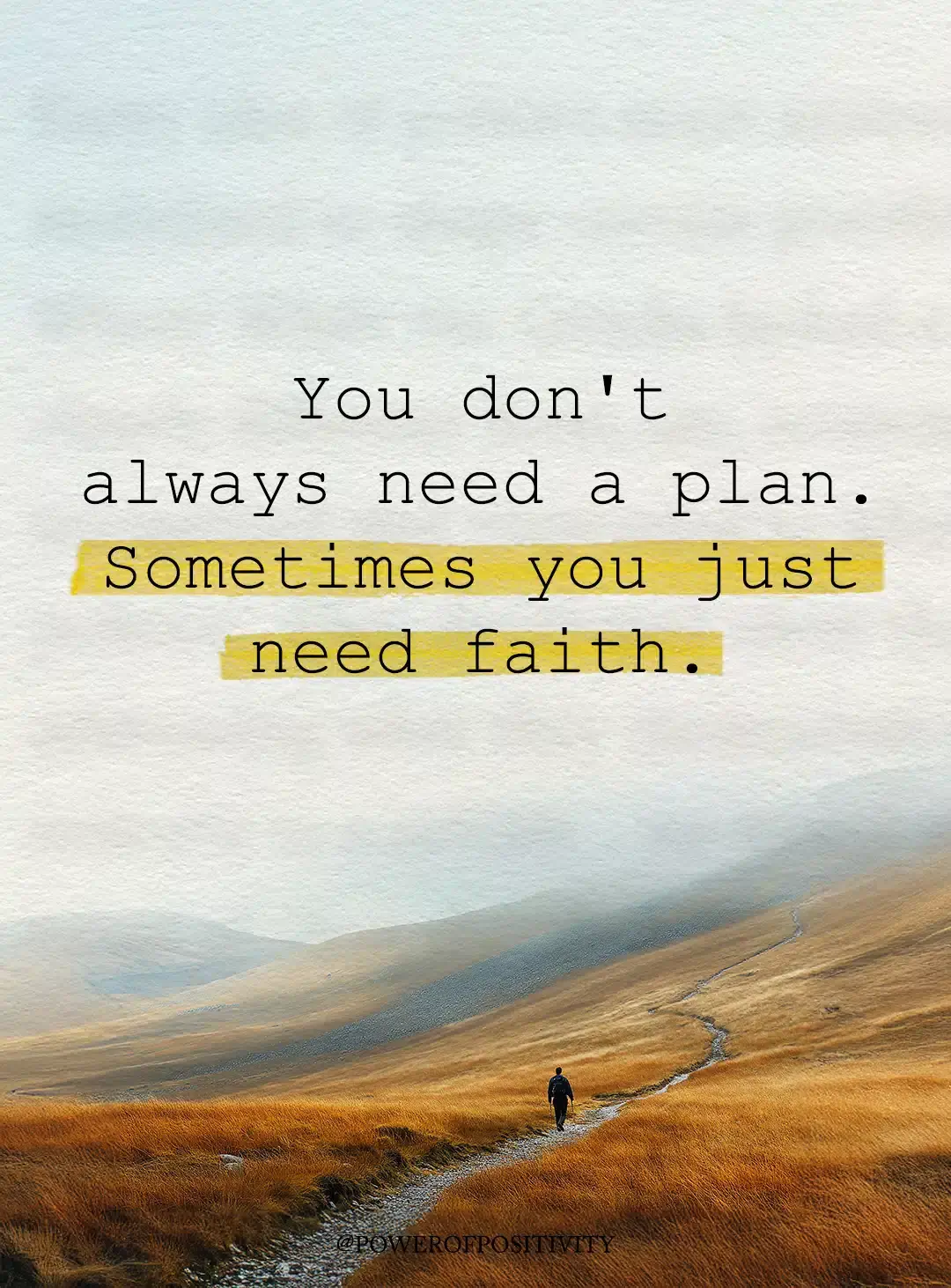
It starts by shifting where you stand. Instead of living in constant mental effort, you begin living from trust.
That shift alone can quiet the mind, because you’re no longer trying to carry everything alone.
Faith helps you move from control into surrender, from self-judgment into grace, and from fear into hope.
It reminds you that your thoughts are not the final authority over your life.
As trust deepens, the mind becomes less reactive and more grounded. Limiting beliefs gradually lose their strength as pressure and anxiety stop feeding them.
In their place, you begin building a steadier inner truth – one rooted in meaning, support, and spiritual strength.
The Role of Prayer, Reflection, and Spiritual Practice
 The Role of Prayer, Reflection, and Spiritual Practice
Prayer and reflection create space for the mind to slow down and reset.
Instead of reacting to every thought, you begin observing them with compassion and patience.
This pause is where mental freedom starts to grow.
Prayer isn’t about finding perfect words – it’s about releasing what feels heavy and allowing guidance to take its place.
Spiritual practices like stillness, journaling, or quiet reflection help interrupt anxious mental loops.
They remind you that peace doesn’t come from solving everything at once.
It comes from returning to trust, again and again. Over time, these moments gently retrain the mind to feel safer, calmer, and more supported in everyday life.
Letting Go of Fear, Guilt, and Shame Through Faith
 Letting Go of Fear, Guilt, and Shame Through Faith
Fear, guilt, and shame often sit at the core of limiting beliefs.
They replay old moments, magnify mistakes, and convince you that growth must be earned through suffering.
When these emotions stay unexamined, they quietly shape how you think, decide, and trust.
Faith offers a way to release what no longer needs to be carried.
Instead of reliving the past, faith invites forgiveness, compassion, and renewal.
It reminds you that mistakes are part of growth, not proof of failure.
As guilt and shame loosen their grip, the mind becomes lighter and more open.
Mental freedom begins to feel possible when fear is replaced with grace and understanding.
Replacing Old Beliefs With Faith-Aligned Truth
 Replacing Old Beliefs With Faith-Aligned Truth
Letting go of limiting beliefs creates space, but that space needs to be filled with something steadier.
Without new grounding, old thoughts often return out of habit. This is where faith-aligned truth becomes essential.
It offers a lens that gently reshapes how you interpret yourself, others, and life’s challenges.
Instead of reacting from fear, you begin responding from trust.
Old patterns like self-doubt or comparison are replaced with reminders of purpose, grace, and growth.
This isn’t about denying reality. It’s about determining which truth holds the ultimate authority.
Over time, faith-consistent thoughts feel less forced and more natural, supporting lasting mental clarity and emotional balance.
Signs You’re Experiencing Greater Mental Freedom
Mental freedom often reveals itself through small but meaningful shifts.
You may not notice a sudden breakthrough, but you’ll feel a growing sense of ease, trust, and emotional clarity in everyday moments.
 Less Inner Resistance
 Greater Emotional Calm
 Clearer Inner Direction
 A Feeling of Support
Practical Ways to Strengthen Mental Freedom Through Faith
Mental freedom grows through small, consistent choices rather than dramatic changes.
Simple practices help anchor faith into everyday thinking, making it easier to respond with calm instead of fear.
Even a few intentional moments each day can shift how the mind processes stress and uncertainty.
You might begin by pausing before reacting, offering a quiet prayer or moment of trust when tension rises.
Journaling can also help you notice patterns and gently replace limiting thoughts with faith-aligned truth.
Over time, these practices build emotional steadiness and clarity.
They remind you that mental freedom isn’t something you achieve once – it’s something you nurture daily through trust, reflection, and compassion toward yourself.
FAQs
Yes. Faith introduces trust, meaning, and perspective that interrupt fear-based thinking.
Instead of wrestling every thought, you learn to rest in guidance beyond yourself.
Doubt doesn’t cancel faith. It often signals growth.
Mental freedom deepens when doubt is met with honesty and compassion rather than self-judgment.
It’s not a finish line. Small shifts accumulate over time. As faith becomes a steady reference point, peace and clarity tend to arrive more consistently.
Final Thoughts
 Final Thoughts
Breaking limiting beliefs isn’t about becoming someone new.
It’s about remembering what was already true beneath fear, doubt, and self-pressure. A faith-based approach to mental freedom offers permission to stop striving for control and start living from trust.
As faith becomes a steady anchor, the mind softens.
Old beliefs lose their grip, not because life becomes perfect, but because you no longer face it alone. Mental freedom grows through grace, reflection, and small daily choices rooted in meaning.
When fear no longer defines your inner world, clarity and peace have room to lead you forward.
The post Breaking Limiting Beliefs: A Faith-Based Approach to Mental Freedom appeared first on Power of Positivity: Positive Thinking & Attitude.