



There comes a point when motivation alone isn’t enough.
You can repeat positive quotes and try to stay upbeat, but if your foundation is shaky, it shows the moment life becomes heavy.
Lasting positivity is different. It’s grounded. It comes from having a perspective that holds steady whether things are going well or not.
For many of us, that stability comes from believing there is purpose in our experiences.
When I stopped viewing challenges as problems to escape and started seeing them as part of my growth, everything shifted.
I no longer asked, “Why is this happening to me?” but instead, “What is this teaching me?”
That change didn’t just improve how I felt in the moment – it changed how I moved through life itself.
That’s the beginning of real, lasting positivity.

 Defining Spiritual Beliefs in Everyday Life
 Defining Spiritual Beliefs in Everyday Life
When people hear the word “spiritual,” they sometimes picture rituals, ceremonies, or religious rules.
But spirituality can be much simpler and more personal than that.
At its core, spiritual belief is the understanding that life has meaning beyond what we can see.
It means knowing there is purpose in your journey, even when the path is unclear.
It is trusting that there is something guiding you, strengthening you, and walking with you.
You do not need to follow a specific religion to be spiritual. You are not required to possess all the answers. You do not need to be perfect.
Spirituality shows up in the quiet moments.
When you feel peace, you cannot explain it. It manifests when you choose to hold onto hope, even when it would be easier to give up.
You persist despite the challenges you face.
How Spiritual Beliefs Shape Mindset and Emotional Well-Being
 How Spiritual Beliefs Shape Mindset and Emotional Well-Being
When a man believes in something greater than himself, it changes the way he experiences life.
Spiritual belief provides a sense of direction and inner stability, especially when circumstances feel uncertain.
Instead of seeing challenges as setbacks or proof that something is going wrong, spirituality reframes them as part of personal growth.
This perspective helps build emotional resilience, because difficulties are no longer viewed as random or pointless.
They become meaningful steps in becoming stronger and more capable.
Spirituality also influences identity. When you believe that your life has purpose and intention, you stop comparing yourself to others or trying to rush your journey.
You become more grounded and intentional in how you speak, act, and make decisions.
Over time, this creates a steady, calm form of positivity, not the kind that depends on everything going well, but the kind that remains present even when life is unpredictable.
It becomes a way of living, not just a momentary feeling.
The Core Mechanisms: How Spirituality Cultivates Lasting Positivity
 The Core Mechanisms: How Spirituality Cultivates Lasting Positivity
Spiritual beliefs don’t create lasting positivity by accident.
They shape the way we think, interpret, and respond to life.
Here are the core ways spirituality strengthens a positive inner state that endures over time:
 Gratitude and Appreciation
 Awe and Connection to Something Greater
 Compassion and Empathy
 Supportive Community and Shared Belief
The Science Behind It: What Research Shows
 The Science Behind It: What Research Shows
Research consistently shows that spirituality is linked to higher levels of emotional well-being, resilience, and life satisfaction.
Studies in psychology and neuroscience have found that when a person holds a belief in meaning, purpose, or a higher presence, the brain responds differently to stress.
Cortisol levels tend to lower more quickly after difficult experiences, and the mind becomes more adaptable when facing change.
Spiritual practices like prayer, meditation, and mindful reflection also activate areas of the brain associated with calm, focus, and emotional regulation.
This isn’t about “blind faith.” It’s about the way belief systems influence how the nervous system processes life.
When you feel supported by something larger than your circumstances, your body and mind naturally relax into steadier patterns.
In other words, spirituality doesn’t just shape how you think. It shapes how you physically respond to the world, and that’s where lasting positivity begins to take root.
When Spiritual Beliefs Feel Heavy: The Shadow Side
 When Spiritual Beliefs Feel Heavy: The Shadow Side
Spiritual beliefs can support growth, but they can also feel heavy when they are misunderstood, pressured, or rooted in fear instead of trust.
Many people were taught that spirituality means being perfect, always positive, or never having doubts.
When a man struggles or falls short, he may feel guilt or believe he’s “not spiritual enough.” This can lead to frustration and self-judgment rather than strength.
There are also moments when faith feels distant. Life gets loud. Pain gets real.
Answers aren’t clear. In these times, it’s important to remember that struggle does not mean you’ve lost your connection.
It means you are being stretched into a stronger version of who you’re becoming.
Spirituality is about feeling encouraged occasionally. It’s about having something solid to return to when you do.
The most meaningful belief systems are not rigid or punishing.
They make space for questions, mistakes, and the process of becoming.
Spirituality fosters a grounded, honest, and resilient positivity by supporting growth rather than demanding perfection.
Simple Spiritual Practices That Grow Authentic Positivity
Lasting positivity isn’t something you “try to feel.”
It’s something you practice through consistent, grounded habits.
These small, repeatable actions reinforce resilience, clarity, and emotional steadiness over time.
 Daily Gratitude Check-In
 Mindful Breathing or Prayer
 Journaling With Purpose
Acts of Service and Kindness
How to Make Positivity Last: Turning Beliefs Into Daily Embodiment
 How to Make Positivity Last: Turning Beliefs Into Daily Embodiment
Lasting positivity develops when your beliefs and your daily actions work together.
It’s not the result of a single insight or motivational moment, but rather the way you choose to respond to life over time.
When you believe growth has purpose, you become more patient with yourself during difficult periods.
When you trust that you are supported, you’re less likely to assume the worst when challenges arise.
This alignment between what you believe and how you behave strengthens emotional stability.
Consistency matters more than intensity. You don’t need to make dramatic changes all at once.
Small, steady actions practiced daily have a cumulative effect. Notice how you speak to yourself, how you approach obstacles, and how you treat others.
These patterns shape your mindset.
As your decisions begin to reflect your core values, positivity becomes less of an effort and more of a natural byproduct of how you live.
FAQs
No. Spirituality can be expressed within religion, but it does not depend on it.
What matters is having a sense of meaning and a belief that your life is guided and purposeful.
It is up to you to connect with that in your own way.
Doubt is normal. Belief often grows over time through experience, reflection, and noticing moments of clarity or support.
You don’t have to force anything. Staying open and curious is enough to begin.
Yes. Spiritual beliefs can soften the emotional impact of stress by providing perspective.
When you see challenges as part of growth, you handle them with more resilience and less panic.
The situation doesn’t immediately change, but your response to it does.
No. Lasting positivity is not denial.
It includes acknowledging frustration, sadness, or confusion, but choosing to move through those emotions with patience and purpose rather than avoidance or collapse.
Final Thoughts
 Final Thoughts
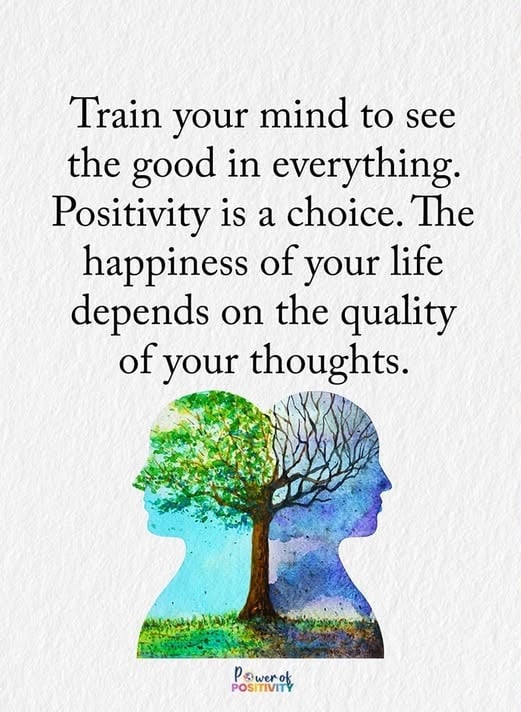
Lasting positivity isn’t about being cheerful all the time.
It comes from having a solid foundation within yourself.
Spiritual beliefs help create that foundation by giving your experiences meaning and direction.
When you believe your growth has purpose, challenges feel less like obstacles and more like opportunities to strengthen who you are.
Over time, this mindset becomes steady and dependable. You don’t have to force it. You simply live it—one grounded choice at a time.
You’re already becoming the person you’re meant to be. Keep moving forward with intention.
The post Can Spiritual Beliefs Help Cultivate Lasting Positivity? How? appeared first on Power of Positivity: Positive Thinking & Attitude.