


Faith helps entrepreneurs navigate uncertainty and risk by providing a stable foundation when logic and data run out. Every business journey includes moments where the next step is unclear, the outcome is unknown, and the pressure to decide is real. In those moments, faith becomes more than a belief system. It becomes a guide.
Whether rooted in religion, spirituality, or a deep personal conviction about purpose, faith gives entrepreneurs something external circumstances cannot take away: a reason to keep going. It shapes how they interpret setbacks, make decisions, and show up for their work even when results are slow.
This article explores the practical and emotional ways faith supports entrepreneurs through every season of business.
Why Uncertainty Is the Entrepreneur’s Constant Companion
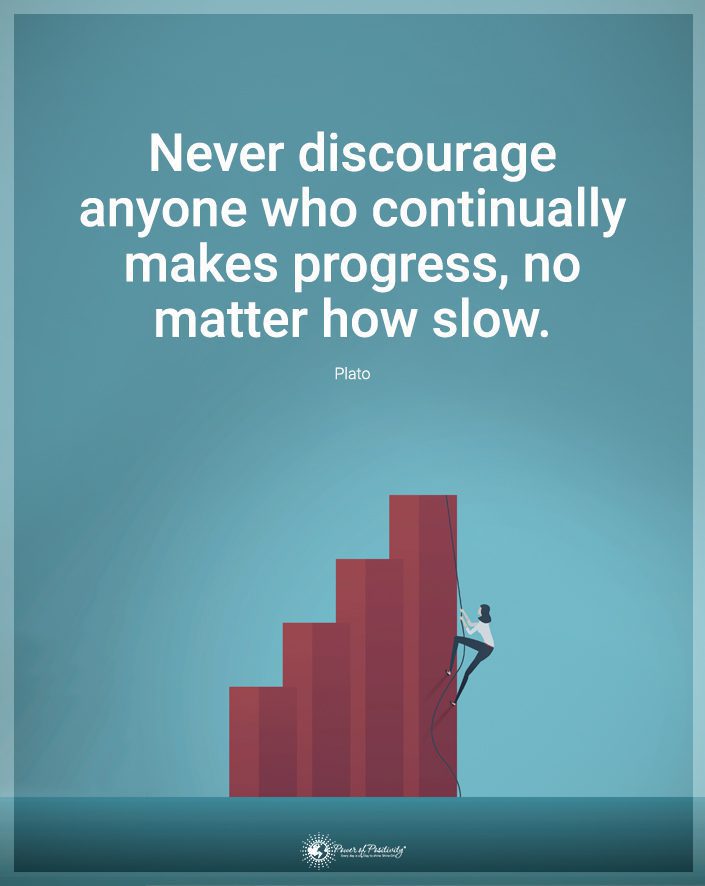
Entrepreneurship is one of the few paths where uncertainty is not the exception. It is the default. Unlike a salaried role with predictable outcomes, running a business means making decisions daily with incomplete information, no guarantees, and real stakes attached to every choice.
Market conditions shift. Customers behave unpredictably. A strategy that worked last quarter may fail this one, particularly if market conditions have changed significantly or customer preferences have evolved in unexpected ways. Even experienced entrepreneurs face situations where no historical data or proven playbook exists. They are, by definition, operating at the edge of the known.
This constant exposure to the unknown can have a significant impact. Research indicates that identity strain, in addition to financial pressure, contributes to entrepreneurial stress. When your business is your vision, every setback can feel deeply personal.
That is why so many entrepreneurs turn to something beyond spreadsheets and strategy. Logic and data are essential, but they have limits. Faith steps in where certainty ends.
How Faith Reframes Risk
Faith does not promise a clear path or a guaranteed outcome. What it does is change how entrepreneurs interpret the path they are on. Instead of viewing risk as a threat to avoid, faith-driven entrepreneurs tend to see it as part of a larger story they are contributing to.
This shift in perspective is sometimes described as “shared agency.” When an entrepreneur believes their work serves a purpose beyond personal gain, the fear of failure loses some of its grip. The stakes feel different when you see yourself as a partner in something greater than the outcome alone.
However, this does not imply that having faith simplifies difficult decisions. It means setbacks are processed differently. A failed launch becomes a lesson. A lost client becomes a redirection. The narrative around risk changes from “what if this destroys me” to “what can this teach me.”
Here is how that reframe tends to show up in practice:
 Setback as Redirection
 Purpose Over Outcome
 Growth Through Uncertainty
Faith as a Decision-Making Compass
When the data is inconclusive and the stakes are high, many entrepreneurs describe turning inward before they decide. Prayer, quiet reflection, and journaling are not just spiritual rituals. For faith-driven business owners, they function as active decision-making tools that slow the noise and surface what matters most.
Faith also introduces a longer time horizon in business thinking. Entrepreneurs grounded in belief tend to prioritize ethical choices and long-term integrity over short-term wins. When a decision feels profitable but wrong, faith provides the language and the conviction to walk away.
This is not about waiting for a sign before every email. It is about building a practice that keeps values central, even when pressure pushes toward compromise.
Some of the most consistent ways faith shapes entrepreneurial decisions:
 Prayer and reflection before major decisions.
Creating an intentional pause before high-stakes choices helps entrepreneurs act from their values rather than from fear or impulse.
 Journaling to clarify purpose.
Writing through uncertainty helps faith-driven founders reconnect with their mission when the path ahead feels unclear.
 Choosing integrity over convenience.
Faith sets an internal standard that makes it harder to rationalize decisions that conflict with core values, even when they seem advantageous.
 Thinking beyond the quarter.
A belief in lasting purpose naturally extends the entrepreneur’s decision-making horizon from short-term gain to long-term impact.
Building Resilience Through Belief
Every entrepreneur will face a season where results do not reflect effort. A launch underperforms. A partnership dissolves. Revenue stalls. What separates those who push through from those who walk away often has less to do with strategy and more to do with what they are anchored to.
Faith provides that anchor. And it works in three specific ways.
Your Identity Stays Separate From Your Results
When your sense of self is rooted in belief rather than business outcomes, a challenging month does not become a personal crisis. Faith creates distance between who you are and how your metrics are performing. That distance is protective. It keeps you functional when the numbers are difficult to look at.
You Recover Faster From Setbacks
Research on entrepreneurial well-being suggests that founders with a strong sense of spiritual grounding experience the highs and lows of business with less emotional volatility. Faith compresses that amplitude. The lows still hurt, but they do not flatten you like they used to.
You Stay in the Game Longer
Purpose-driven entrepreneurs are less likely to quit at the first sign of difficulty. When your work connects to something larger than profit, the motivation to continue is not dependent on results alone. Faith gives you a reason to show up that no setback can take away.
The Power of Faith-Based Community
Entrepreneurship can be isolating. The pressure to appear confident, the weight of decisions that affect others, and the stretches where progress is invisible all add up. Community does not eliminate those realities, but it makes them more bearable.
Faith-based networks offer something most professional communities do not: relationships built on shared values before shared interests. That foundation changes the quality of support available.
Within these communities, entrepreneurs often discover mentors who have navigated similar seasons and are willing to share what they learned. They find accountability partners who ask harder questions than a business coach might.
And they find a space where vulnerability is not a liability, allowing them to openly discuss their challenges and fears without judgment, which fosters personal and professional growth.
 Mentorship
 Accountability
 Belonging
Practical Ways to Let Faith Guide Your Business
Faith is not just something you hold. It is something you practice. And for entrepreneurs, that practice can be woven directly into the rhythms of running a business.
You do not need a dramatic overhaul. Small, consistent habits built around belief tend to have a more lasting impact than grand gestures. Here are some places to start.
Begin your day with intention. Before checking messages or reviewing metrics, take a few minutes for prayer, meditation, or quiet reflection. Grounding yourself in purpose before the day’s demands arrive changes how you respond to what comes next.
Journal through uncertainty. When a decision feels heavy or a situation is unresolved, writing through it from a values-based perspective often surfaces clarity that analysis alone cannot reach.
Find a faith-aligned mentor or community. Look for someone whose business and belief system you respect. Regular conversations with a person who leads with purpose will sharpen your thinking.
Define your values in writing. A clear, documented set of personal values acts as a filter for decisions, partnerships, and opportunities. When something does not fit, you will know why.
Reframe failure before it arrives. Decide in advance that setbacks are information, not verdicts. That mindset shift, rooted in faith, makes it easier to process difficulty without losing momentum.
Can faith really help in business decision-making?
What if I am not religious but still want faith-driven resilience?
Faith does not require a religious label. A strong sense of personal purpose, a guiding set of values, or a belief in something larger than yourself can serve the same stabilizing function.
How does faith help entrepreneurs handle failure?
Faith reframes failure as redirection rather than defeat. It separates personal identity from business outcomes, which makes it easier to recover, learn, and move forward without losing confidence.
Is faith-based entrepreneurship only for certain industries?
Not at all. Faith-driven principles like integrity, purpose, and resilience apply across every industry and business model. They are about how you lead, not what you sell.
How do I start building faith into my business routine?
Start small. A few minutes of morning reflection, a values journal, or one honest conversation with a trusted mentor can shift how you approach decisions and setbacks over time.
Final Thoughts
Faith does not guarantee a successful business. It does not protect you from hard seasons, slow growth, or difficult decisions. What it does is give you something to stand on when none of those things go the way you planned.
Entrepreneurs who build from a place of belief tend to lead with more clarity, recover with more grace, and stay in the game longer than those running on ambition alone.
Whatever your faith looks like, let it work for you. The foundation it builds is one that external circumstances simply cannot shake.
The post How Faith Helps Entrepreneurs Navigate Uncertainty and Risk appeared first on Power of Positivity: Positive Thinking & Attitude.