



You bought the journal. Maybe you even found a prompt system you liked. Then life got busy, you missed a few days, and the notebook ended up in a drawer somewhere.
Sound familiar?
Most people don’t fail at gratitude journaling because they aren’t grateful enough. They fail because they made it too complicated. The perfect format, the ideal time of day, the pressure to write something meaningful every single day. That’s a lot of weight for what should be a simple habit.
Here’s the truth: three things, written down, is the whole practice. You don’t need a fancy notebook, a candle, or thirty free minutes. You just need something to write on and a few minutes you can spare.
This article will show you exactly how to start tonight, if you like, without turning it into another thing you feel awful about not doing perfectly.
What a Gratitude Journal Actually Is

A gratitude journal is simply a place where you write down things you’re thankful for. That’s it. Nothing more complicated than that.
The format doesn’t matter. You can use a leather-bound notebook, a notes app on your phone, a stack of sticky notes, or a plain Word document. Whatever you’ll actually open is the right choice.
The length doesn’t matter either. One sentence counts. Three words count. You are not being graded on the exercise.
And contrary to what most people assume, it doesn’t have to be a daily practice to work. Research from psychologists Robert Emmons and Michael McCullough found that people who journaled just once a week still experienced more positive emotions, better sleep, and greater optimism over time.
The one thing that does make a difference is writing it down rather than just thinking it. Putting words on a page forces your brain to process the thought more fully, and that’s where the benefit comes from.
Why It Works
Your brain is wired to notice what goes wrong. It’s not a character flaw; it’s a survival instinct. Negative experiences stick; positive ones fade. Gratitude journaling works because it manually overrides that default setting.
When you write down something you’re grateful for, you’re directing your brain’s attention toward evidence of good. Do that consistently, and your brain starts doing it on its own. You begin noticing small positive moments in real time, not just when you sit down to write.
What Gratitude Does to Your Brain
- Triggers dopamine and serotonin release, improving mood and reducing stress
- Lowers blood pressure and regulates heart rate over time
- Improves sleep quality by shifting focus away from worry before bed
- Builds long-term resilience by training the brain to spot the positive
- Activates the medial prefrontal cortex, the area linked to learning and decision-making
The science backs these findings up. Research from UCLA Health links regular gratitude practice to lower blood pressure, better sleep, and reduced anxiety. Studies from the University of Rochester found that focusing on what you’re thankful for triggers the release of dopamine and serotonin, the same feel-good chemicals that improve mood and lower stress.
One important note: don’t expect a transformation in week one. Research shows the mental health benefits of gratitude journaling build gradually, becoming more noticeable around the four-week mark and growing from there. The practice compounds quietly, which is precisely why sticking with something simple matters more than doing something elaborate once in a while.
Why Most People Quit (And How to Avoid It)
If you’ve tried gratitude journaling before and stopped, you probably didn’t quit because the practice failed you. You quit because the version of it you were doing wasn’t built for real life.
These are the most common traps.
- Waiting for the right notebook. The perfect journal is a delay tactic. You can use a notes app, a scrap of paper, or the back of an envelope. Start with what you have tonight.
- Trying to write too much. Three short items beat a paragraph you dread writing. Length creates resistance. Resistance wins.
- Only listing big things. “My health, my family, my home” becomes tiresome quickly. Specific small moments work better because your brain has more to feel about a single detail than a whole category.
- All-or-nothing thinking. Miss a day, miss a week. It doesn’t matter. Pick it up again without catching up, without guilt, without a fresh-start Monday.
- Forcing positivity on hard days. Gratitude shouldn’t be used to talk yourself out of real feelings. On a challenging day, it’s fine to write what’s difficult alongside one small thing that didn’t go wrong. That’s still the practice.
Easy Prompts for the Days You’re Stuck
Some days you’ll sit down and know exactly what to write. Other days your mind will go blank and the whole thing will feel pointless. That’s normal, and it’s not a sign the practice isn’t working.
Keep a short list of prompts nearby for those days. You don’t need to rotate through them in order or use a different one each time. Repeating the same prompt is fine. The goal is reflection, not variety.
10 Prompts to Keep Nearby
- One small comfort I noticed today
- A person who made my week a little easier
- Something my body did well today
- A moment that made me smile or laugh recently
- Something in my home I would miss if it were gone
- Something I learned this week, big or small
- A piece of music, a meal, or a smell I appreciated today
- Something my younger self would be proud of
- A quiet moment I almost missed
- One thing that didn’t go wrong today
Please choose one option and write three sentences, and you will be finished.
When Gratitude Journaling Doesn’t Feel Right
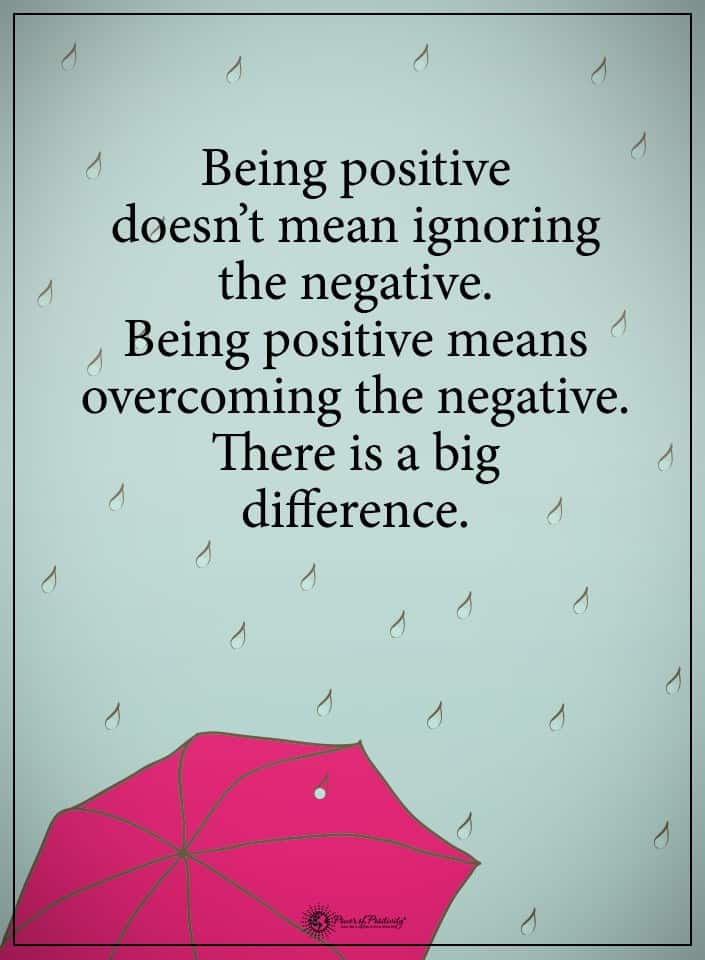
There will be days when sitting down to list what’s good feels hollow, forced, or even a little insulting to what you’re actually going through. That’s worth acknowledging, because no one talks about it enough.
Gratitude journaling is a helpful practice. It is not a cure, and it’s not meant to paper over real pain. Using it to convince yourself that things are fine when they aren’t doesn’t build resilience. It just buries what needs attention.
On hard days, you have a few options. You can skip it entirely and come back when it feels more honest. You can write what’s difficult first, then add one small thing that still feels okay. Or you can put the journal down for a week and pick it up again when you’re ready.
If you’re going through something persistent, whether that’s ongoing anxiety, depression, grief, or burnout, journaling can be a supportive tool alongside professional help. It works best as a complement to care, not a substitute for it.
The practice should feel like a small act of kindness toward yourself. The moment it starts feeling like one more thing you’re failing at, that’s the signal to simplify or step back, not to push harder.
Frequently Asked Questions
How long should I write each day?
Two to five minutes is plenty. A few specific sentences will do more for you than a long entry you feel obligated to finish. Consistency matters far more than length.
Do I have to write every day?
No. Research shows that journaling a few times a week, or even once a week, still produces real benefits. Daily is great if it suits you, but it’s not a requirement.
What if I miss a few days?
Pick it up where you left off. Don’t backfill the missed days, don’t write an explanation, just start the next entry. Missing days is part of every long-term habit. It doesn’t reset your progress.
Paper journal or phone app, which is better?
Whichever one you’ll actually open. Handwriting may deepen the processing slightly, but a phone you carry with you beats a beautiful notebook sitting on a shelf.
How long before I notice a difference?
Some people notice small mood shifts within the first week or two. More significant changes, in sleep, anxiety levels, and overall outlook, tend to show up around the four-week mark and build from there.
Final Thoughts
The best gratitude journal is the one that actually gets used. Not the prettiest one, not the most structured one. The one you open tonight with whatever you have nearby.
Three things. As specific as you can make them. A habit you already have to attach it to. That’s the whole setup.
You don’t need to feel deeply moved every time you write. You don’t need to do it perfectly or even consistently at first. You just need to start, and then start again when you stop.
Small and honest beats elaborate and abandoned every time.
The post The Best Way to Start a Gratitude Journal (Without Overthinking It) appeared first on Power of Positivity: Positive Thinking & Attitude.