


Life has a way of putting leaders in uncomfortable positions. The deadline is impossible. The team is stretched thin. The “easy” choice means cutting corners.
And suddenly, the values you always believed in feel harder to hold onto.
That’s where faith steps in — not as a rigid rulebook, but as a quiet anchor.
Whether it’s rooted in religion, spirituality, or a deep personal belief system, faith gives leaders something solid to stand on when the ground shifts beneath them.
This article explores how faith shapes ethical leadership, especially in those high-pressure moments when doing the right thing feels like the hardest thing.
Because the truth is, anyone can lead when things are easy.
It’s the difficult moments that reveal what kind of leader you really are.

 What Ethical Leadership Really Means
Ethical leadership sounds like a big, formal concept. But at its core, it’s simple. It means leading with honesty, fairness, and a genuine concern for the people around you.
An ethical leader doesn’t just chase results. They care about how those results are achieved.
They ask themselves tough questions. Is this decision fair to everyone involved? Am I being transparent? Would I be comfortable if my team saw every part of this process?
It’s not about being perfect. Ethical leaders make mistakes like everyone else. The difference is accountability.
They own their missteps, learn from them, and adjust course without blaming others.
Here’s what sets ethical leadership apart from other leadership styles.
It’s not driven by ego or short-term wins. It’s driven by principles.
And those principles don’t bend just because the situation gets difficult.
In fact, the most defining moments for an ethical leader happen precisely when the pressure is on — when the temptation to compromise is strongest.
That’s also where things get tricky. Principles need a foundation.
Without something deeper holding them in place, even the best intentions can crumble under enough stress. And that’s exactly where faith enters the picture.
The Role of Faith as a Moral Compass
 The Anchor
 The Guide
 The Standard
Faith is more than a personal belief — it’s a leadership tool.
It shapes how leaders define right from wrong, how they treat the people they lead, and how they hold themselves accountable when no one is watching.
For ethical leaders, faith isn’t a last resort in hard times — it’s the compass they consult every single day.
Why Pressure Tests a Leader’s Values
 Why Pressure Tests a Leader’s Values
Pressure has a way of revealing what a leader is truly made of.
In calm times, it’s easy to lead with patience, fairness, and integrity — but when deadlines tighten, stakes rise, or difficult decisions can’t be avoided, a leader’s real values come to the surface.
Pressure strips away the polished exterior and exposes what’s underneath.
This is why so many leaders who appear strong in stable environments struggle when faced with genuine adversity.
Without a deeply rooted value system, decisions made under stress tend to be driven by fear, self-preservation, or short-term thinking rather than principle.
The cracks don’t appear when things are easy — they appear when everything is on the line.
For faith-driven leaders, pressure doesn’t erode values — it reinforces them.
Faith provides a framework that holds firm regardless of the circumstances, reminding leaders why they lead in the first place.
Instead of asking “What’s the safest choice for me?”, they ask “What’s the right thing to do?” — and that shift in thinking makes all the difference.
How Faith Guides Decision-Making Under Stress
When stress peaks, the decision-making process becomes compromised.
Fear, fatigue, and external noise compete for a leader’s attention, making it harder to think clearly and act with integrity.
Faith steps in as a stabilizing force — grounding leaders in their core values and giving them a consistent standard to return to, no matter how intense the pressure becomes.
 Can faith really influence practical decisions?
 What happens when a leader makes decisions out of fear instead of faith?
 Does faith mean ignoring data or practical considerations?
 How can a leader strengthen faith-based decision-making?
Faith-Driven Leaders Build Stronger Teams
 Faith-Driven Leaders Build Stronger Teams
People don’t just follow a leader’s strategy — they follow their character.
Faith-driven leaders naturally cultivate environments built on trust, respect, and shared purpose.
When a team sees their leader making decisions rooted in consistent values rather than shifting priorities, it creates a sense of psychological safety that encourages openness, loyalty, and genuine collaboration.
Faith doesn’t just shape the leader — it shapes the culture around them.
Staying Grounded When Everything Feels Uncertain
 Staying Grounded When Everything Feels Uncertain
Uncertainty is one of the greatest challenges a leader will ever face.
When the road ahead is unclear and the pressure to have answers is constant, even the most experienced leaders can feel unsteady.
Faith provides the kind of inner stability that external circumstances simply cannot offer.
It reminds leaders that their worth, their purpose, and their direction are not determined by the chaos around them — but by the convictions within them.
Practical Ways to Let Faith Strengthen Your Leadership
 Practical Ways to Let Faith Strengthen Your Leadership
Faith grows stronger through intentional, daily practice.
The leaders who remain most grounded under pressure aren’t those with the least problems — they’re the ones who have built consistent habits that reconnect them to their values before challenges arise.
The table below outlines simple but powerful ways to let faith actively shape how you lead.
FAQs
Yes — but faith adds a deeper layer of consistency.
While ethical behavior can stem from many sources, faith provides a stable, values-based framework that holds firm even when external pressures make compromise feel tempting.
Not at all.
Faith-based leadership applies to anyone who leads from a place of deeply held beliefs and values — whether rooted in religion, spirituality, or a strong personal moral code.
It’s about conviction, not denomination.
That’s perfectly normal. Faith-driven leaders don’t impose their beliefs — they model them through their actions.
When a team consistently sees integrity, fairness, and calm under pressure, they respond to the character behind the faith, not the faith itself.
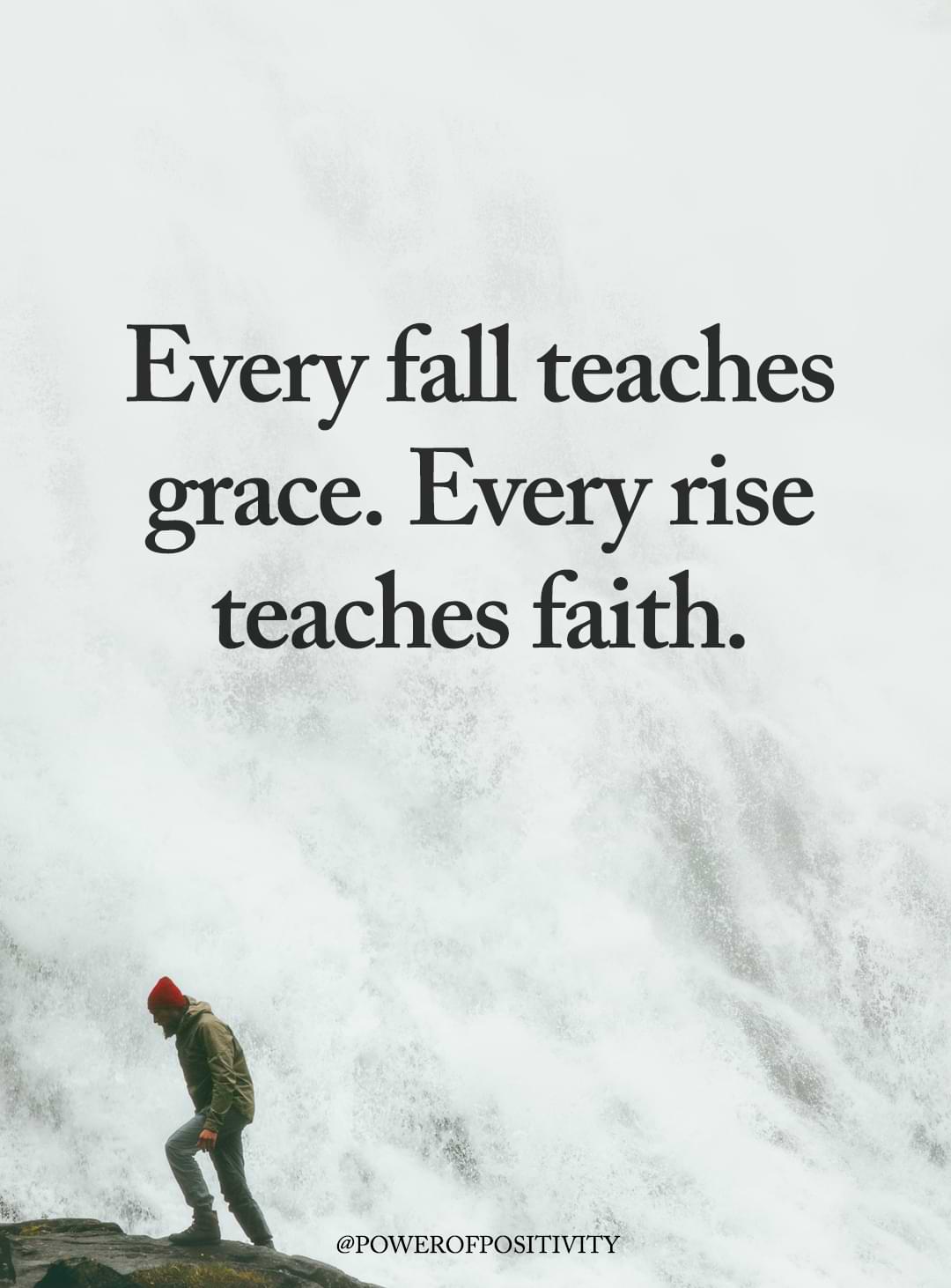
Faith reminds you that failure is part of growth, not the end of the story.
Returning to your core beliefs during difficult seasons helps you lead with humility, learn from mistakes, and move forward with renewed purpose rather than shame.
Start small and stay consistent.
Daily reflection, journaling your values, and pausing before major decisions are simple habits that gradually align your leadership with your faith.
Over time, these small practices create a leadership style that is both resilient and deeply trustworthy.
Final Thoughts
 Final Thoughts
Faith and ethical leadership are not separate pursuits — they are deeply intertwined.
The leaders who leave the most lasting impact are rarely those who had the most resources or the perfect circumstances.
They are the ones who stayed true to their values when it was hard, who led with integrity when no one was watching, and who drew strength from something greater than themselves when pressure threatened to pull them off course.
If you are navigating a season of uncertainty or facing decisions that test your character, let your faith be your compass.
It won’t always make the path easier — but it will always make your steps more purposeful. And in the end, that is what ethical leadership is truly about.
The post How Faith Shapes Ethical Leadership in Times of Pressure appeared first on Power of Positivity: Positive Thinking & Attitude.